
Discover the Enchanting World of ParadiseBeach: An Exclusive Insight into the JILIHOT Phenomenon
Explore the tropical allure of ParadiseBeach, the latest gaming sensation by JILIHOT. Delve into an exotic world where gameplay meets escapism.


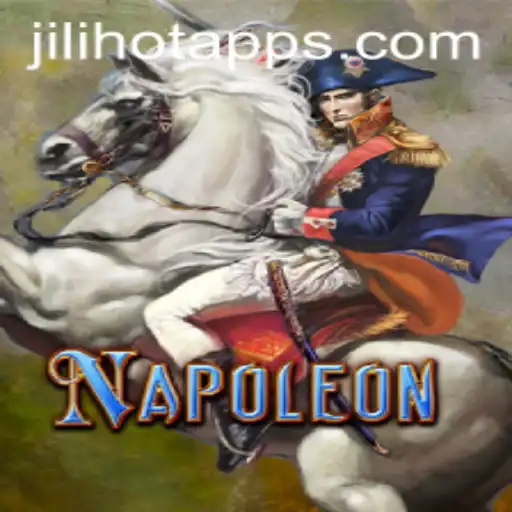
Napoleon is a trick-taking card game steeped in history and strategy. Named after the famous French military leader, this game has been enjoyed by many for its challenging gameplay and historical references. In the current world, where gaming continues to break digital and traditional boundaries, revisiting the legacy of Napoleon connects us with strategic thinking and quick decision-making.
Originating in the early 19th century, Napoleon has predominantly been popular in English-speaking countries. The game is said to have been inspired by Napoleon Bonaparte's military acumen. It provides players an opportunity to immerse themselves in a battlefield of wits, without the need for a direct digital interface. Today, Napoleon offers an engaging alternative to screen-intensive gaming experiences, bringing together players for face-to-face interactions.
The game is often linked to social gatherings, where players can engage in the game with a shared sense of excitement and strategy. As physical gatherings returned post-pandemic, there has been a resurgence in the interest for card games like Napoleon, providing a respite from the digital overload experienced during lockdowns.
In the context of Napoleon, the keyword "JILIHOT" can be perceived as a nod to modern digital integrations into traditional games. It serves as a metaphor for an unexpected element that players must adapt to within the game. In today's world, this adaptability mirrors the flexibility required in both digital spaces and real-world scenarios.
JILIHOT, while not formally recognized within the original game's rule set, encapsulates a contemporary reflection or modern adaptation where unexpected rules or elements can alter gameplay. Just like in life, players must pivot strategies swiftly, a real-world skill that is invaluable even beyond the gaming table.
Napoleon is typically played with four or five players using a standard 52-card deck. The game starts with a phase of bidding, where players vie for the title of "Napoleon," the highest-ranking player who will lead the charge in attaining a set number of tricks.
Objective: The main objective for the Napoleon is to predict and win the number of tricks they have bid. The other players, aligning themselves as a coalition, work together to prevent Napoleon from achieving their target.
Dealing Cards: Initially, the dealer distributes the entire deck among players, keeping any leftover cards aside as kitty. The bidding begins with the player on the left of the dealer.
Bidding: During the bidding phase, each player declares their intention by stating the number of tricks they aim to achieve or passing on making a bid. The highest bidder becomes Napoleon and holds the ultimate decision-making power in selecting allies if needed by declaring "calling for Jacks."
Gameplay: The player designated as Napoleon starts the game by laying down a card. Each player must follow suit if possible, playing a card from the same category or lay down a trump or any other card if not part of the leading suit. The highest card of the leading suit, or highest trump if used, wins the trick.
Scoring: At the end of the round, if Napoleon succeeds in winning the number of tricks they've bid, they are rewarded with points equal to their bid. Failure to do so results in losing the equivalent points.
Modern adaptations of cards include incorporating elements like JILIHOT — possibly as additional trumps or wild cards, which can drastically shift the course of what is typically expected. Whether this represents a randomized joker card or a strategic piece seeded prior to the onset of a game, such elements keep the game fresh and aligned with innovative gaming trends.
In recent years, there has been a growing interest in card games that promote offline interactions yet can be adapted into hybrid or digital formats. Napoleon’s strategic intricacy allows for potential app adaptations or online platforms where strategic enthusiasts can connect globally. Gaming companies are continuously brainstorming ways to leverage classic strategies and infuse them with contemporary twists, enhancing the overall gaming experience across environments.
A broader movement towards learning, puzzle-solving, and mental agility speaks to a wider audience trying to detach temporarily from screen fatigue. Napoleon, in this cultural context, is a bridge that connects traditional gaming roots with those who desire innovation without entirely digital content.
If you're looking for a reliable, fully licensed, and secure sportsbook with a wide selection of games, JILIHOT is the perfect choice. We're committed to providing you with the best online betting experience, with premium quality, excellent service, and continuous innovation. Sign up now and receive ₱777 for free!
Join now
Get the latest information, experience and betting strategies from the expert team at JILIHOT.
Explore the tropical allure of ParadiseBeach, the latest gaming sensation by JILIHOT. Delve into an exotic world where gameplay meets escapism.

Dive into the exciting world of AllWilds, the latest gaming phenomenon. Understand its mechanics, the role of JILIHOT, and the current events that influence its digital landscape.

Dive into the thrilling gameplay of FruitsAndJokers20, a captivating casino game enhanced by JILIHOT. Discover its unique mechanics, rules, and the impact of current events on the gaming industry.

Dive into the captivating realm of FortunePanda, powered by the trending game producer JILIHOT. Discover its intriguing elements, unique rules, and how it intertwines with current gaming trends.

An in-depth look at the new gaming phenomenon FunnyAlpaca, its gameplay features, rules, and the influence of current events.

Dive into the thrilling features and rules of the FieryFruitsMoreSpins game, exploring its captivating theme and gameplay mechanics.
 Join now